Thursday, February 6, 2014

What has the Design39Campus team been up to this month?


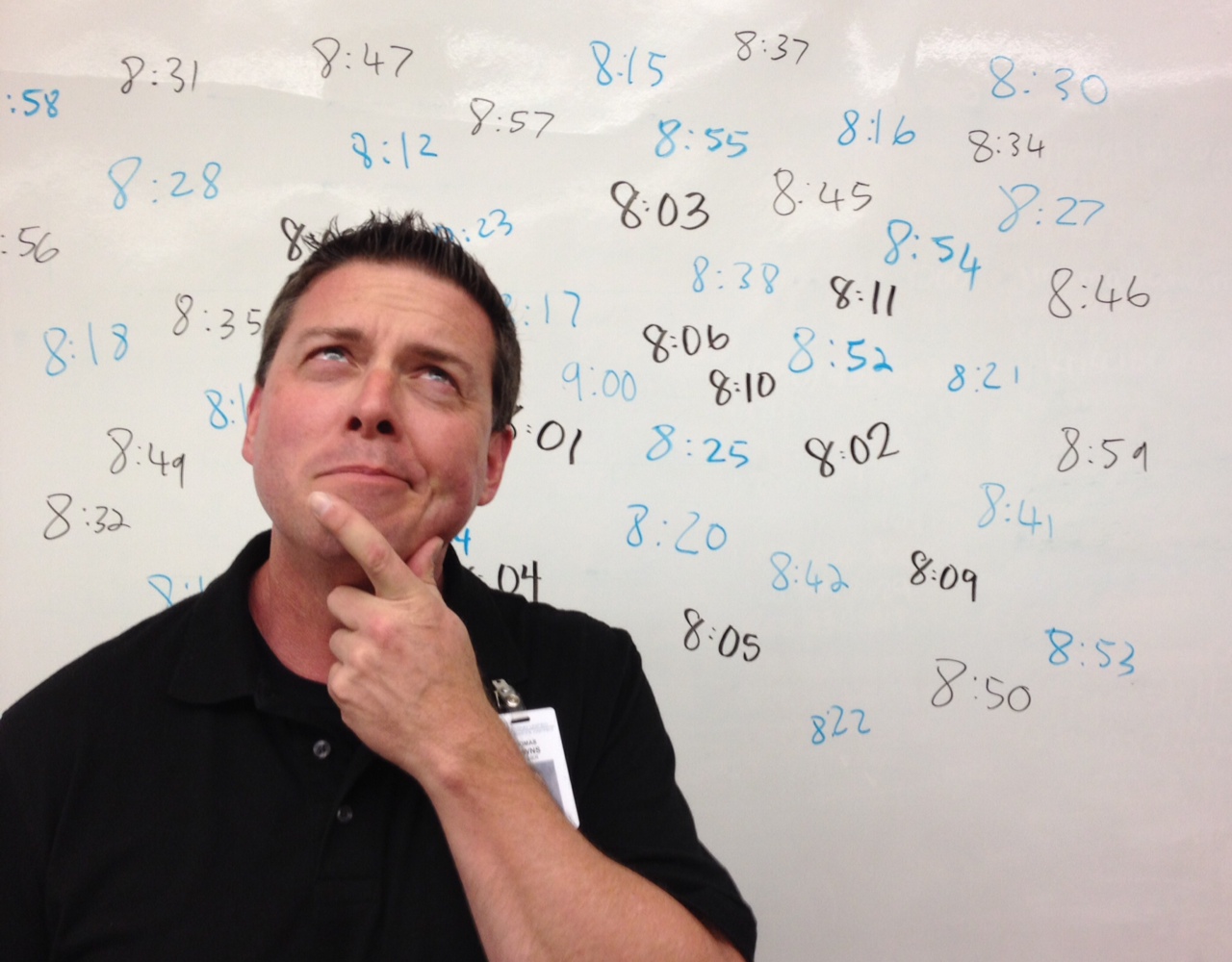
1.  Wondering what our start time will be.


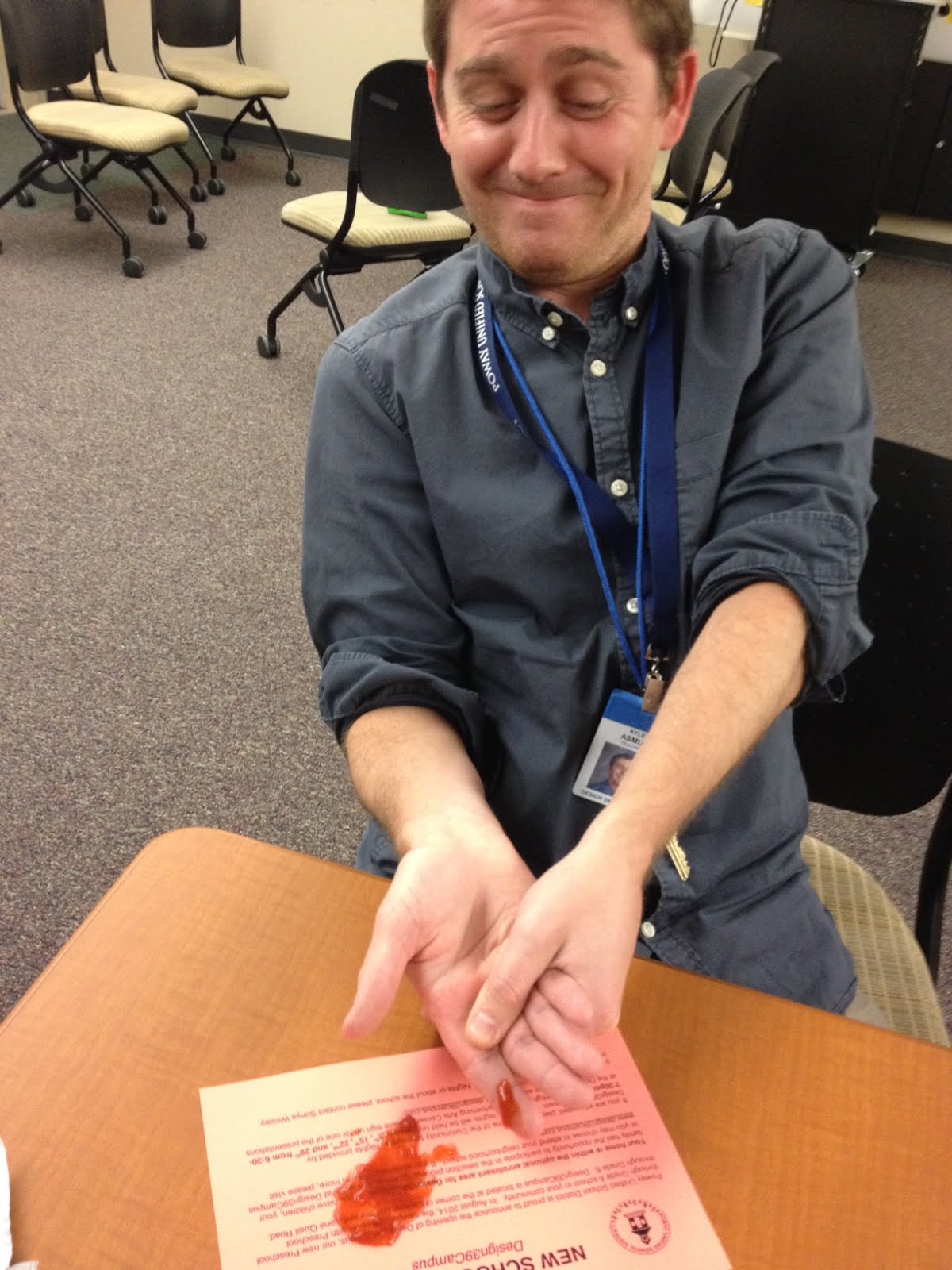
2.  Developing deep papercuts.


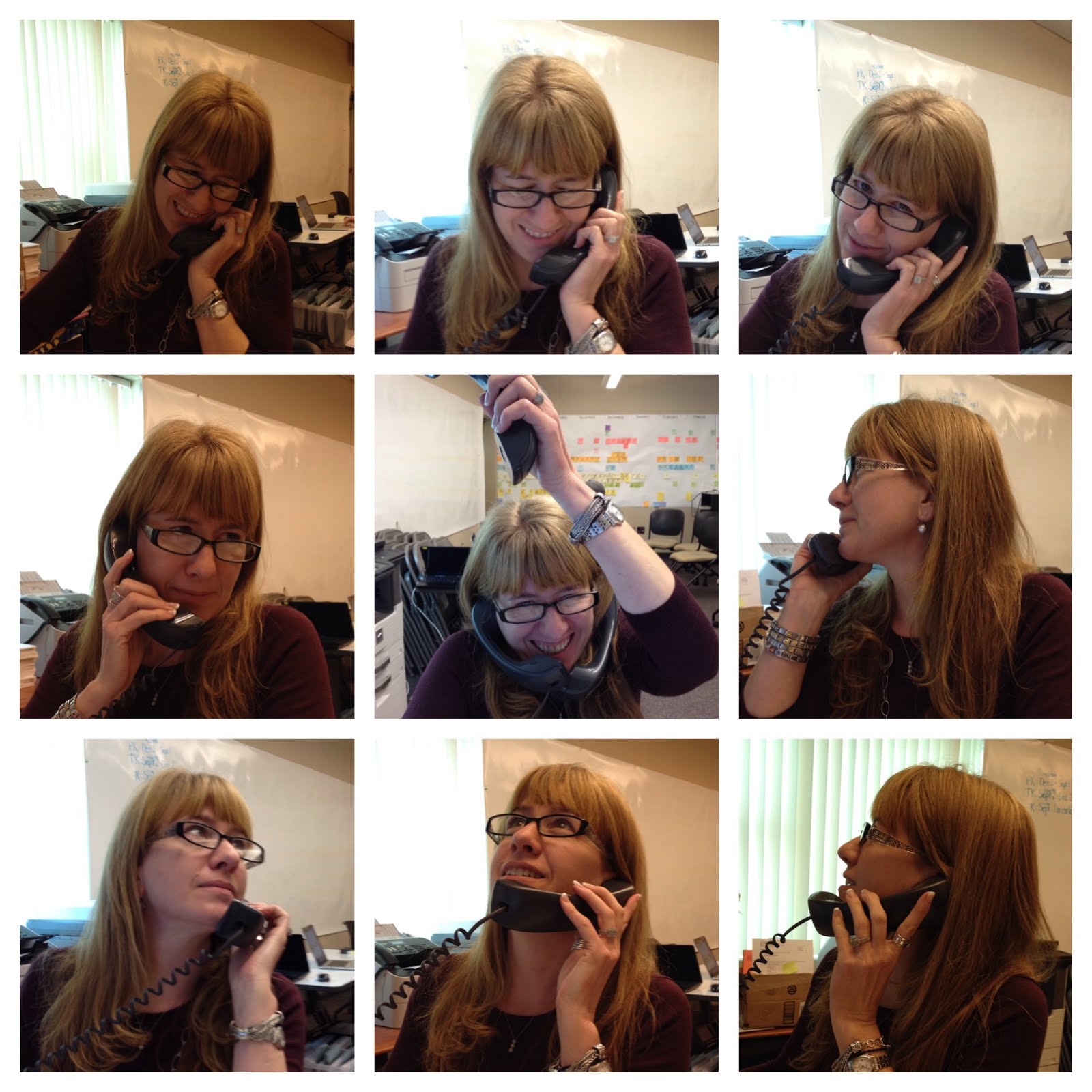
3.  Answering phone calls!


4.  Writing and responding to emails, lots and lots of emails!


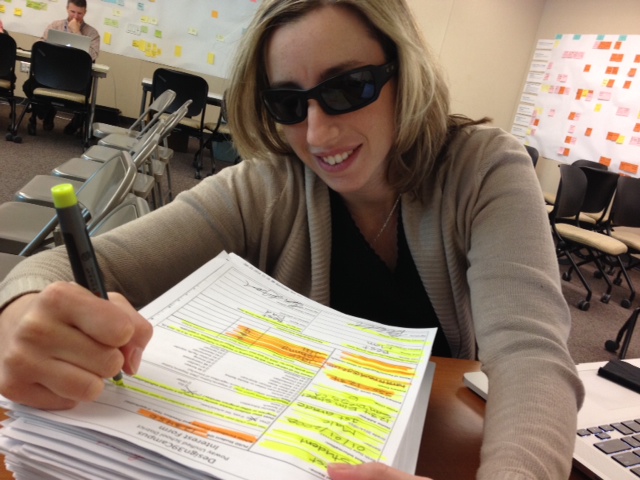
5.  Highlight, sort, stack, repeat, highlight, sort, stack, repeat...


6.  Late nights in the DNHS Performing Arts Center.


7.  Being hard headed.

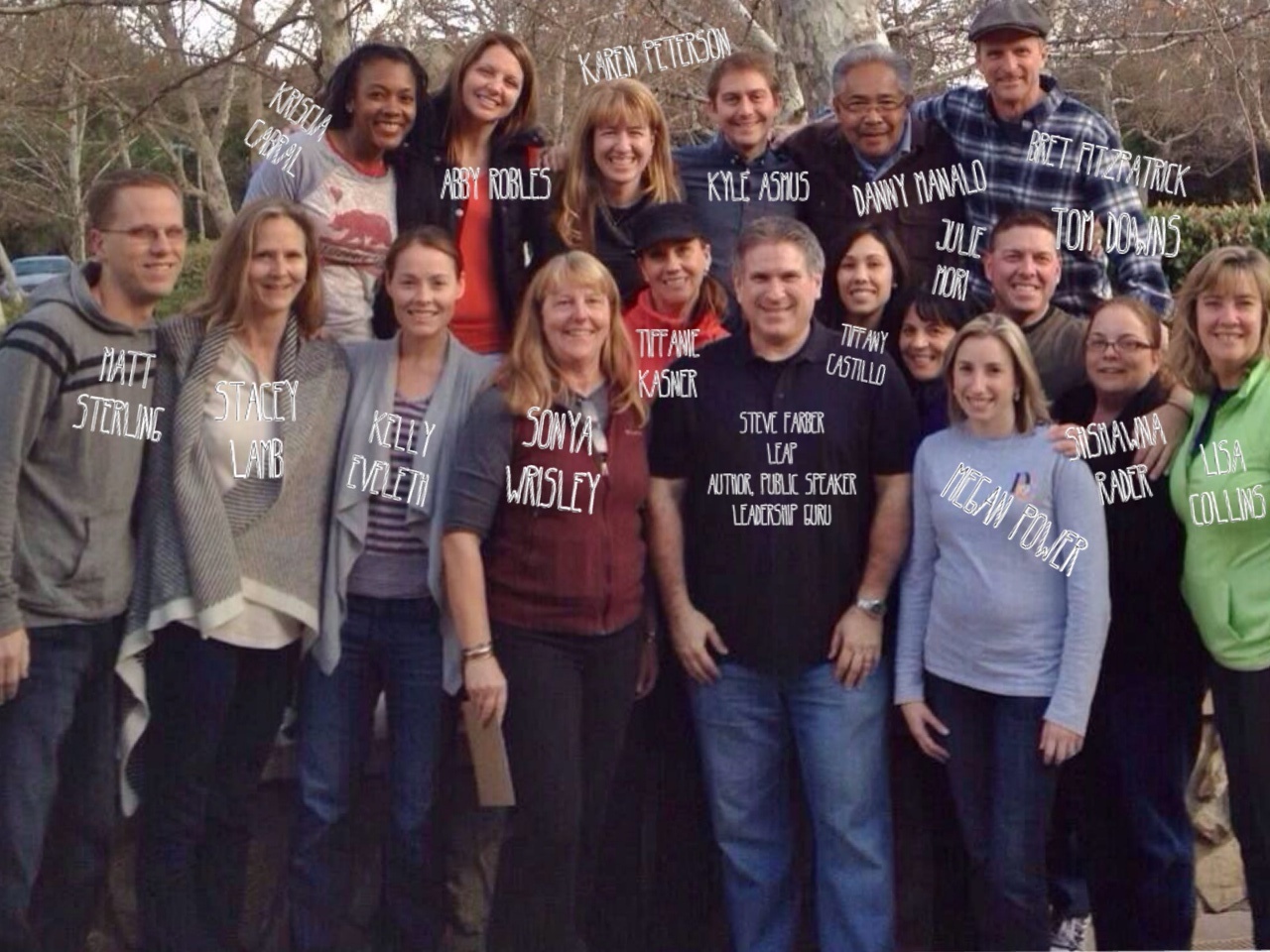
8.  Hiring amazing teachers and taking the LEAP!

Yes, it has been a busy month.  And... totally worth it!  It has been great talking with so many of you and hearing the excitement you have for Design39Campus.

Kelly Eveleth
Teacher
@Design39Campus

Tuesday, January 7, 2014

Tinker/Maker/Mindset

Over the winter break I found myself spending an awful lot of time in my workshop. I’m fortunate to have a tandem garage space that allows me to have sufficient tinkering space without having to pull the cars out onto the driveway, although I do when the project demands a larger spread. Though my preference is to work with wood, there are so many other projects and ideas that arise as a homeowner that I find myself engaged in a wide variety of problem-solving challenges. By no means am I an expert in all of these fields however, I view all of them as something I can figure out. If another human can do it, then so can I. This is the mindset of a maker and tinkerer. It’s also the mindset of scientists, and doctors, and engineers.


And good teachers.


Several years ago my wife and I decided that the Coleman tent trailer we had was more work to get ready before, and clean out after, a trip and than we liked. We were at a point where getting a small Class C RV made sense. We found a used one and have thoroughly enjoyed it, naming it iRV (pronounced “Irv”) However, the interior decor has suffered and, in the case of the blinds and valances, were literally crumbling due to UV damage. Winter break project. Now, neither my wife nor my daughter have any experience sewing. Meaning it was down to my sewing experience to make this happen.


As a kid I watched my grandmother sew amazing things. She had been a seamstress for the Shakespeare theatre in Stratford, Ontario and was quite talented, to put it mildly. As a teenager I asked her to help me modify some clothing and, as the great teacher she was, she had me sit down at the machine and go to work. Of course, very quickly she had the opportunity to show me how to rip out stitches and start over!


Later in life, during my first years of teaching at Balboa City School, I joined a few moms with our sewing machines to sew Renaissance costumes for our students to wear to the Renaissance Faire. That was a learning experience, to say the least.


Back to the iRV project. The first step in any project like this is to take things apart and see how they go together. The valances were made of wood that had been wrapped with material and stapled together, creating a challenge for reassembly. After removing all of the staples holding the plush blue material in place I decided that I would need an electric or air-powered stapler, and to rejoin the wood pieces I’d need a smaller size staple for my pneumatic staple gun. However, nothing looked too complex and, with the fabric carefully removed, I could use the pieces as patterns. The second step was cutting the new fabric pieces, using the patterns. Followed by stapling the fabric to the wooden pieces using the same order of operations the original fabricator had used. And the final step was to pneumatically staple the three pieces back together. One down, six to go.


Taking things apart to see how they work is at the heart of making and tinkering, it’s real-life, context-based, hands-on learning. Whether I ever re-do another RV’s valances again doesn’t really matter. What I learned was how it all goes together and, more importantly, that I CAN do it! The confidence that comes from overcoming challenges and successfully completing a project like this is critical to developing resiliency and stick-to-itiveness, and a growth mindset.


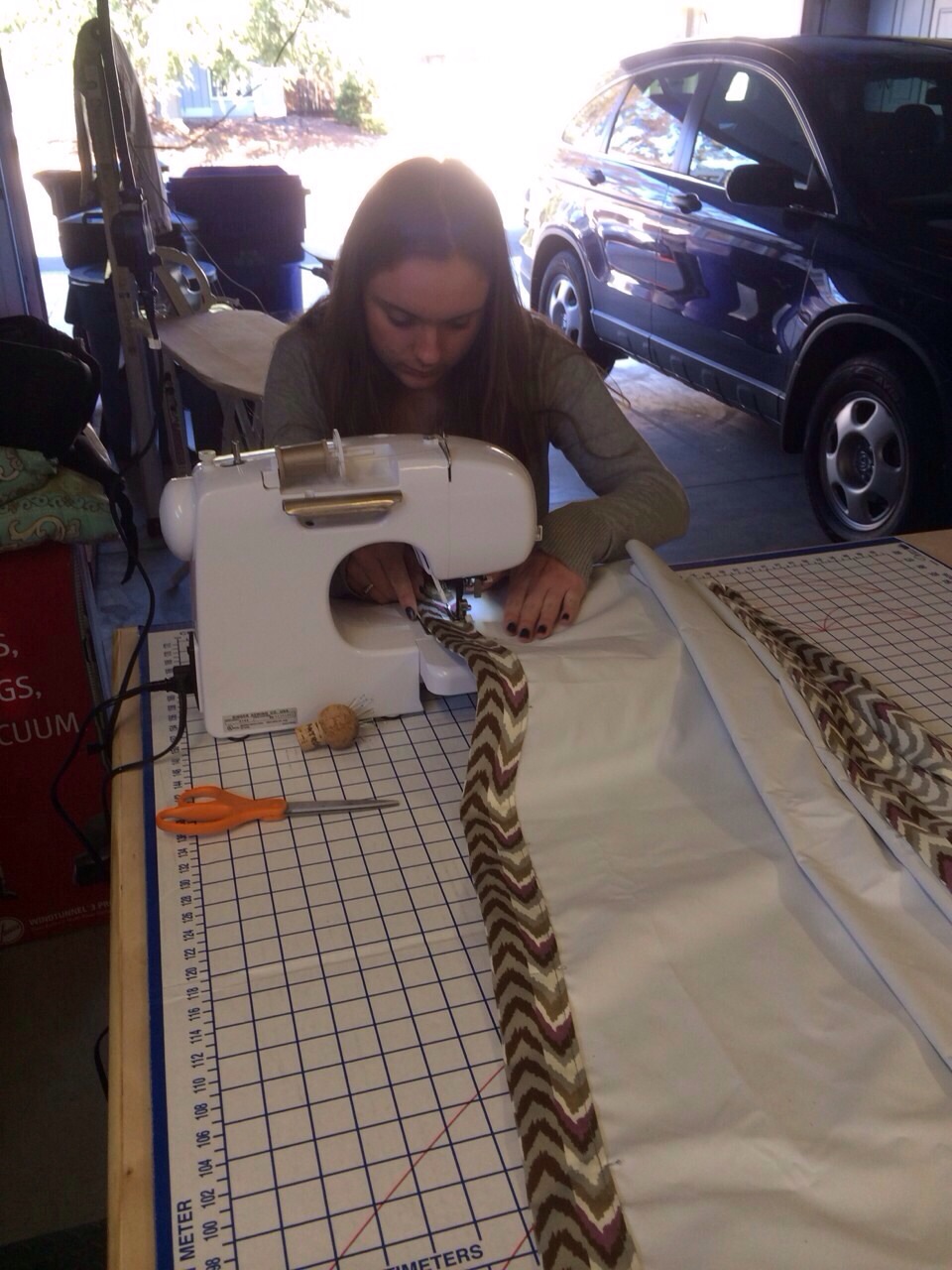
Next came the sewing of curtains. Again, it begins with disassembly. Using a seam ripper, I took apart one of the curtains to figure out what my material sizes will be and to learn the order for sewing the various seams. Cutting the black-out shade cloth and the fabric pieces, pinning, ironing, and then sewing the seams took about three times longer than I planned - of course. But in the end, it turned out pretty well. Then, I recruited my daughter (see photo) and put her to work learning the ins and outs of the sewing machine and thought back to when I was her age and it was my grandmother looking over my shoulder. Passing on the maker mindset.


I knew she could do it. And now she knows it, too!  These types of learning experiences are the basis of a good education. Learning by doing, not by sitting silently in rows as someone drones on and on.

By the way, the curtains and valances look great. Soon followed by my next project: installing a new stereo in my 4Runner. That’s fodder for another post.


Bret Fitzpatrick
Design39Campus

Wednesday, December 4, 2013

Project Lead the Way @ Santa Rosa Academy

Santa Rosa Academy is a kindergarten through 12th grade charter school in Menifee, California.  The school is in its ninth year, and its first year in a beautiful brand new facility.  It started as a small charter in a shopping center with only 5 teachers and has grown to a full campus with over 60 teachers. 


On Tuesday, our team had the chance to visit Santa Rosa Academy to find out more about their implimentation of Project Lead the Way (PLTW), a hands-on curriculum focusing on Science, Technology, Engineering, and Mathematics (STEM) education.  Several schools in Poway Unified School District currently offer PLTW as a middle and high school elective.  Santa Rosa Academy is piloting the K-5 Launch program in addition to its sixth through 12 grade PLTW program.  Design39Campus is interested in PLTW as an integrated part of all grades, K-8.


Project Lead the Way Overview:
"Project Lead The Way (PLTW) is the leading provider of rigorous and innovative STEM (science, technology, 
engineering and math) education curricular programs used in schools. As a 501(c)(3) charitable organization, 
PLTW exists to prepare students for the global economy through its world-class curriculum, high-quality 
professional development, and an engaged network of educators, students, universities, and professionals. 
PLTW’s comprehensive curriculum has been designed by PLTW teachers, university educators, engineering 
and biomedical professionals, and school administrators to promote critical thinking, creativity, innovation, 
and real-world problem solving skills in students. The hands-on, project-based program engages students on 
multiple levels, exposes them to areas of study that they typically do not pursue, and provides them with a 
foundation and proven path to college and career success."  (http://www.pltw.org)

Project Lead the Way video featuring Santa Rosa Academy:


Principal Laura Badillo toured us around campus to see the K-5 Launch program in action. 
  • In a kindergarten class, students read the story Jack and the Beanstalk, and discussed the structure and function of the beanstalk and its parts. The next step will be for students to make a bean stalk using only 10 pipecleaners to create a freestanding structure that will support an egg.
  • In a second grade class, students read a story about a boy who needed a way to keep popsicles frozen while we was at his soccer game.  They discussed the boy's problem and brainstormed other information they would need to find out in order to solve the problem.  Through the design process and exploring a variety of materials, they will be creating a way to keep the ice pops cold until after the game.  What a great way to learn the properties of matter and how energy is transferred?!
  • In a fourth grade classroom, students were beginning their study of energy and collisions.  Students watched with excitement as their teacher tested her Lego car as it rolled down an incline carrying a raw egg (see the video here!).  Students will be designing and building their own cars with restraint systems using VEX kits. 

The biggest thing the D39C team noticed at Santa Rosa Academy?  The students were engaged and excited about learning!  The teachers asked great questions, fostered curiousity, allowed students to explore, and were brave enough to try something that is not typical in an elementary school.  A special thanks to Principal Badillo for spending her morning with our team!

Right on, Santa Rosa Academy!

Kelly Eveleth
Teacher & Designer
@Design39Campus


Wednesday, November 20, 2013

Makeries @D39C

Make. Innovate. Create. Think. Build. Learn.

What is a makery?

A makery is a space that is intentionally designed to encourage people to make things. It is filled with materials and tools that you would not traditionally see in a school setting. At Design39Campus, we believe that these spaces are essential in helping kids develop the confidence to be creative.  

What types of things would students be making in one of these unique spaces?
  • Science related projects (design a solar powered car, create a toy incorporating physics principles, build a giant cell, circuitry...)
  • Engineering projects (robotics, building models...)
  • Art (ceramics, painting, mixed media, sculpture, print making...)
  • Bookmaking, Sewing
  • Digital Fabrication
  • Woodworking
  • Prototyping any design idea, and the list goes on and on!

Design39Campus has many spaces on our campus that are designated as Maker Spaces. Each will be equipped with the materials and tools needed to create and innovate.

What materials and tools would you find in a Makery?

Maker spaces contain any possible materials that might be needed to create something. 
Here is a short list of items we will need in our Makeries.
  • Tape, rivets, string, wire, glue guns, zip ties, fasteners...
  • Screwdrivers, hammers, nails, pliers, screws, bolts, nuts, drills...
  • Scissors, sandpaper, clips, batteries, hacksaw, measuring tapes...
  • Sewing machines, fabric, thread, buttons, zippers...
  • Work benches, saw horses, clamps, wood...
  • 3D printer, laser cutter...
  • Buzzers, motors, switches, light bulbs...
  • Popsicle sticks, toothpicks, Q-Tips, mixing cups, bowls, foil, wax paper...
  • Paint, brushes, markers, crayons, watercolors, clay...
  • Cardboard, paper, newspaper, plastic...
  • Recycled materials, cans, bottles, paper rolls...
  • And the list goes on and on!
(These photos were taken during our self-guided tour of the Stanford d.school in October.)

(This image is from the d.school at Stanford.  Their maker space is designed for adult users and includes some tools that we probably will not have at D39C, like bolt cutters!)

Interested in Making?

Attend the first ever San Diego Mini Maker Faire on December 7th at the Del Mar Fairgrounds.  Bring the kids for a day of making!  

"Part science fair, part county fair, and part something entirely new, Maker Faire is an all-ages gathering of tech enthusiasts, crafters, educators, tinkerers, hobbyists, engineers, science clubs, authors, artists, students, and commercial exhibitors. All of these “makers” come to Maker Faire to show what they have made and to share what they have learned."

San Diego Mini Maker Faire Video


Makery Resources:
Get Your New School Edition of the Makerspace Playbook

MakerPlace  (Visit a real makery in San Diego!)
The Makery
The Spark Truck
Make Magazine
Stocking Up A Maker Space
Safety in School Makerspaces
Designing a School Makerspace
Maker Space in a Box (all the things you need to set up a space) 

Still interested in knowing more?  Check out the book Make Space by Scott Doorley and Scott Witthoft for ideas on how to set up collaborative spaces!


Kelly Eveleth
Teacher/Designer/Maker/Inventor/Thinker/Builder/Learner
@Design39Campus

Thursday, October 24, 2013

Google

Walk onto the Googleplex, the Google Headquarters in Mountain View, California, and you can't help but feel inspired. The D39C team visited on Monday, October 14 as part of our #edjourney to visit some business and schools in the Bay Area. During our time we were able to have lunch and take a tour to experience what Google is all about. It is clear from our short visit that Google is a fun place to work where they take care of the whole person, trust their employees, and value each other’s expertise.

FUN
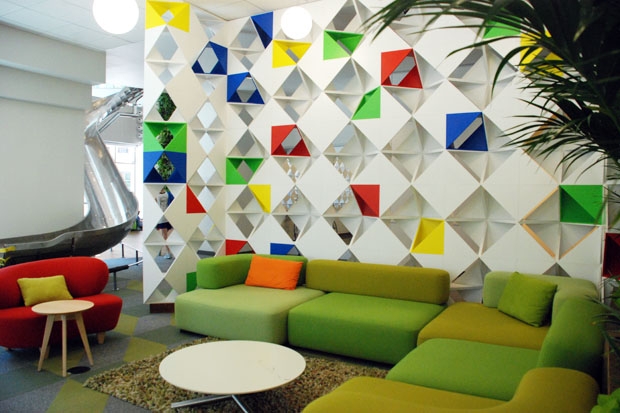
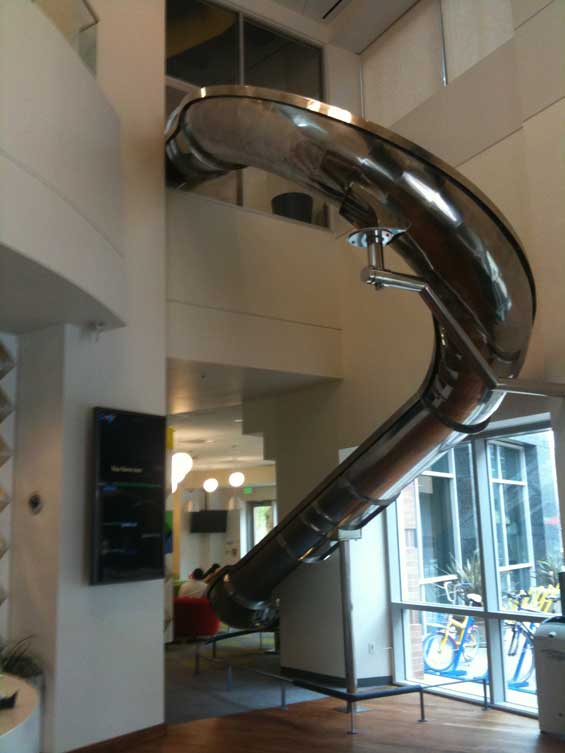
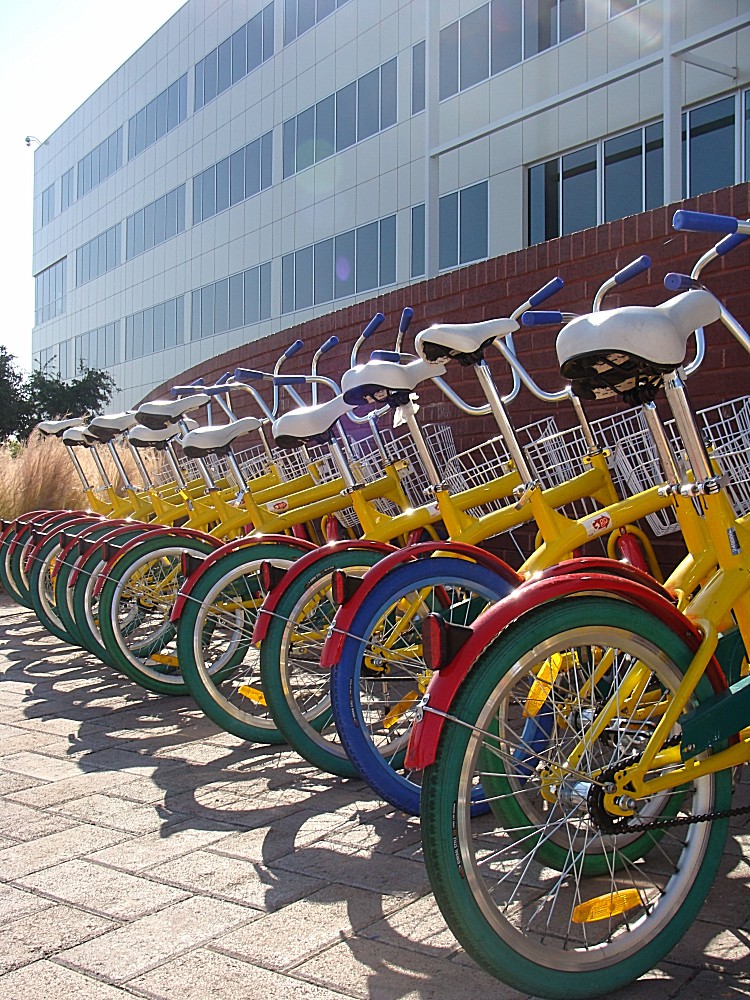
From the artistic, interactive art and creative workspaces to the ball pit conference areas, Google bikes, and the famous Google slides, the Googleplex is a FUN place to be. It has such a playful atmosphere that invites creativity and inspiration. Googlers have a smile on their face and they value opportunities to work and collaborate in a lighthearted environment.
You would think schools working with children would have this fun type of atmosphere, yet when you walk through typical schools they all look the same. Classrooms filled with rows of desks and decorations that all look the same on the bulletin boards. Students have to walk quietly in lines down the hallways. Bells direct students and teachers from class to class. Unengaged students struggling through textbooks and endless worksheets. Where is the FUN in this? How are educators keeping the natural curiosity, creativity, and FUN in learning? Learning is fun and school should be a place that fosters the culture that learning is all around us and is FUN. 
                               
TAKING CARE OF THE WHOLE PERSON
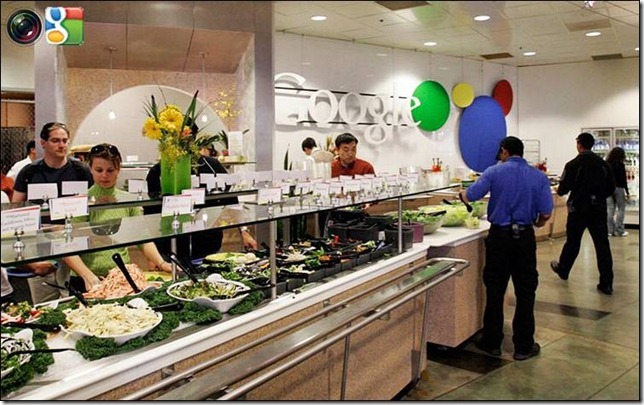
After walking around the complex and seeing the variety of amenities, it was clear that Google takes into consideration the whole person. They provide breakfast, lunch, and dinner as well as mini kitchens always full of snacks, drinks, and coffee throughout their buildings. The main dining facilities have every variety of food you could imagine including make your own sodas. All the food is FREE!

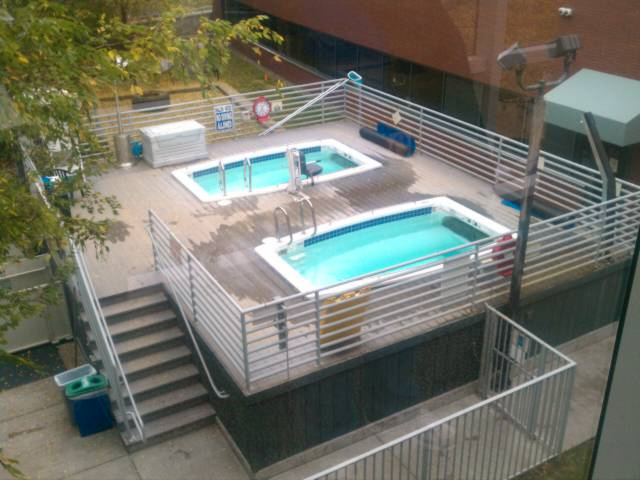
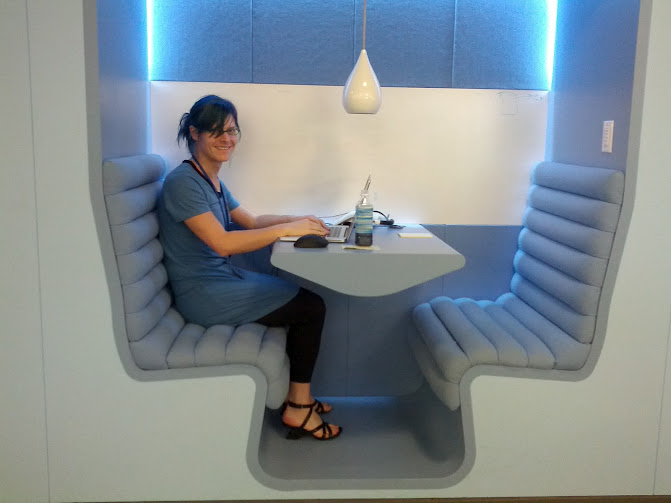
Besides food there are massage rooms, napping pods, an endless swimming pool, fitness center, beach volleyball court, mobile dentists, and mobile car services. They also have a medical facility on campus for flu shots and minor medical needs. The Googleplex really felt like a complex that you never had to leave.
In education you will often hear the phrase “taking care of the whole child” or “creating well rounded children”, yet schools limit with constraints and the need to cover or deliver curriculum. Are we really nurturing the whole child by only concentrating on what academic level they are on or what difficulties they are having? Are we offering opportunities for students to find and explore their passions?
TRUST
Google trusts its employees. Trust was one of the first words that came to mind as we looked around and saw people in impromptu, creative work spaces working individually or in small groups. There are no bosses micromanaging employees’ time. Supervisors trust them to work and meet their project deadlines. They have a system in place where employees submit their project goal ideas for approval and are accountable for their work streams. The feeling of trust is evident in the fact that one key card gives employees access to every Google building in the world. With 40,000 employees and growing significantly, Google still has such high levels of trust in its employees.
Imagine if national and state educational decision makers had as much trust in its teachers as Google has in its employees. Imagine district employees trusting teachers and teachers trusting students. It sounds silly, but the trust often isn't there. Teachers are given standards and textbooks with scripted lesson plans. Some districts strictly require their teachers to follow exact plans where you can walk out of a room and into another and miss nothing in a lesson. Teachers are doing the same things with students. They are not trusting students. They are not trusting that students can be passionate about learning and be an integral part of monitoring and assessing their learning. How would education change if we had more trust in each other?
EXPERTISE
When I asked a Googler what he like most about working at Google he took a moment to think and responded, "the expertise we have here in Google." He proceeded to name some talented colleagues that work at Google and how they are able to collaborate and use each other's expertise. Googlers are encouraged to search out people and connect with them to assist in their projects. They join up to use each other’s expertise to create something better than they could create on their own. Their playful, physical environment also promotes collaboration between employees.
If working in the real world is about connections and collaborating, then why do we make so much of school “sit, get, and do by yourself?’ A businessman once shared this thought with me. “In school it was called cheating. In the real world it’s called masterminding.” When students join together and use each other’s “super powers” great learning will be the result. How can we change schools so students have more opportunities to explore content and produce work as a team using other’s expertise? The author of “The Multiplier Effect” shares that “students work hard in school always proving they are smart. Once in the real world they continue to try to prove they are smart. This can make them unsuccessful. Instead, we need students to know they are smart and then know how to find other’s expertises.”
This trip to the Googleplex was exciting and inspiring for the Design39Campus team. Thank you to Google and to Paul Carff for taking the time to welcome us and give us a tour of the complex. This experience validated a lot of the work we have started with D39C as well as spur some other thoughts to help our school become successful.
Below is a Twitter Recap of the tweets from our team during the tour of the Googleplex.

TWEET RECAP
Another takeaway from visits to Google & Box- It's time to change the way we name classrooms.

Google treats their people well & amazing things happen! Schools, too?

Google employee's face lite up when we shared kids as young as kindergarten will learn coding

If no one is upset with the changes you are making, you are not pushing far enough!

Great visit with Google! Amazing what's created when people aren't treated like widgets.

Trust is key! Trust people to have great ideas and to get it done. Teach kids how to manage projects.

Google as a company= Trust, innovation, collaboration, expertise, fun, creative, inspiring. Need to make school feel this way.

Bikes, lounges, slides, food, doctors, ball pit conferences, bike meetings,... Google=FUN Schools need more FUN!

Google's environment is collaborative, creative, and inspiring. Food is all free and so much variety.


Megan Power
Design39Campus


Rocketship Academy

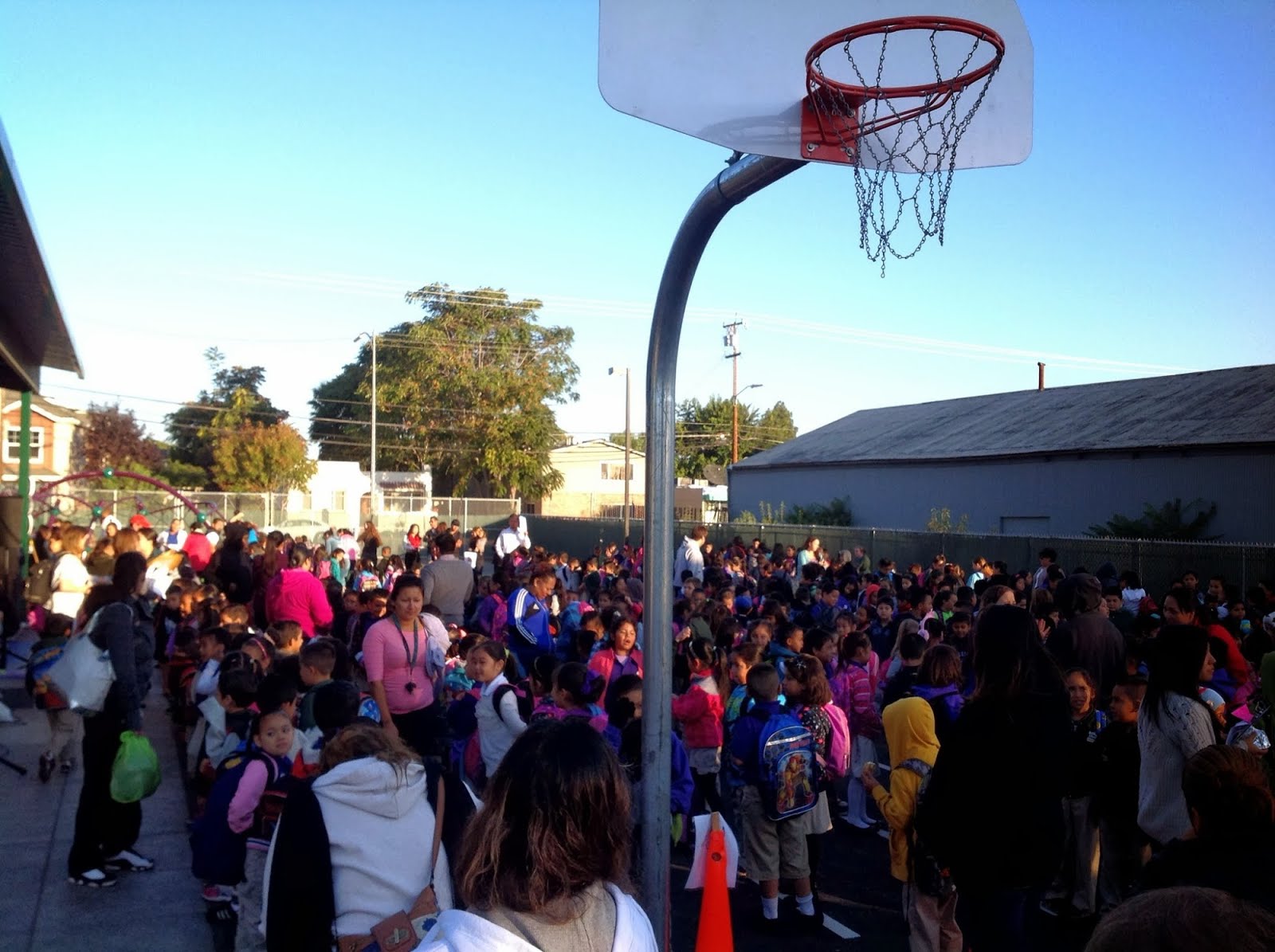
Rocketship Academy in San Jose, CA.
October 16, 2013
How does a community who feels (is?) underserved by their local school overcome their challenge and develop a higher quality education for their young children? One option is the Rocketship http://www.rsed.org/ model of charter schools.
Their model of education grows from three core values: "Excellent teachers and leaders create transformational schools; Every child has a unique set of needs; [and] Engaged parents are essential in eliminating the achievement gap." At Rocketship Alma Road, where we visited today, the parents we encountered raved about the school. They felt welcomed, cared about, and wanted at the school. And that was very refreshing.
Too often we hear from parents that they don't feel welcomed at their children's school, that the feeling they get is that the schools want parents to drop their kids off in the morning, pick them up in the afternoon and just leave the rest alone. There are many problems with this scenario. First, when parents don't feel welcomed they are less likely to be engaged in the daily educational lives of their children. The assumption is that if the school wanted them to do more, they would ask. Second, if the parents are not included in the educational process, asked what they value, what they would like to help with, invited into the classrooms to help and observe, then they will fill the vacuum with either the memories they have from their own education, or with the myths and half-truths they hear from their friends and neighbors. Last, when parents aren't part of the school, they aren't cheerleaders for that school's staff or programs. They are less likely to provide financial support, too.
While I found it interesting that the folks at Rocketship were using computer technologies and web-based assessments in order to help students accelerate their learning in math and reading, I felt that the most profound difference this school makes in their community is their open, caring, and engaging relationship that they develop with their parents. This "village" approach to education is human-centered, relationship-based, and has created an environment in which attitudes toward school amongst the families attending Rocketship are overwhelmingly positive.
As we all move forward looking for proven methods that create positive change in our schools, look to Rocketship and their all inclusive model of parent involvement. The biggest challenge you may have to overcome is deciding how to best utilize all your new resources!

Bret Fitzpatrick
Learning Experience Designer
www.Design39Campus.com

A Fun Morning with Los Altos School District

Wednesday, Oct. 16, 2014

What an exciting and inspiring morning at Los Altos School District.  Alyssa Gallagher, Director of Strategic Initiatives and Community Partnerships arranged for us to spend three hours with Superintendent Jeff Baier, Assistant Superintendent of Curriculum and Instruction Nancy Davis, District Technology Coach Erin Zaich, Innovative Strategies Coach Kami Thordarson, and STEM Coach Karen Wilson.  Additionally, the Superintendent of Milpitas Unified School District, Cary Matsuoka, joined us.  An added bonus: we picked up our friend and Chief Provocateur, Grant Lichtman, at San Jose Intl Airport so he could join in the collaboration with all of us!

We started off with introductions in their iLearn Room.  Alyssa asked us to share an "ah ha" on our innovation journey. We immediately knew we were among people with a similar vision,and we felt right at home. 

After the D39C team shared the progress of our journey in our new school, we then had the opportunity to select a topic for small group dialogue.  The four themes that surfaced where Rethinking Professional Learning, Culture and Climate, Blended Learning, and Change.  The next hour and half was lively and very beneficial to everyone.

I sat with Nancy and Erin to talk about Rethinking Professional Learning.  We shared the challenges of offering opportunities for our teachers to learn, and promoting more widespread participation.  It was exciting to think of the possibilities if our districts could define the "sandbox" or overall focus, and then facilitate teachers as they develop their own professional learning centered on our districts' focus areas.  We like the idea of teachers taking the ownership, deciding what they need to know and learn more about, what they need to let go in order to shift learning to students, and (most exciting point) modeling the  learning experience we are hoping for our students.  We were intrigued about the notion of giving teachers a challenge to develop time for more collaboration.  We discussed the benefits of developing true collaborative skills and strategies for all staff.  (I shared that I have worked with The Thinking Collaborative, Maximizing Capacity in Individuals and Organizations  http://www.thinkingcollaborative.com/).

Additional group summaries:

Culture and Climate
  • The importance of breaking down traditional mindsets and structures in order for real change and innovation in classrooms.  How to make it sustainable throughout the district.
  • Everything speaks: labels of our spaces and title.  In order to change the way we teach, we need to change the way we label it.
  • Modeling the change at the district level, working with teachers, and the need to work with principals so they can lead the change at their sites.
  • Listening to students, using student voice to change culture and climate.

Blended Learning
  • What is wasn't.  It has become kids in front of computers with headphones on, not truly blended.
  • It is truly a blended experience of integration of tech as a tool, direct instruction, design thinking, collaboration, and just in time learning.
  • It is difficult to lesson plan because it is much more organic. 

Change
  • Changing how an organization initiates change
  • Finding ways to light more brushfires, rather than rewriting district strategic plan and hoping.
  • Examining our language and vocabulary to reveal what people truly believe about an organization. 

It was so exciting to be with kindred spirits for the morning, and we are excited about continuing this partnership.  Google Drive and Hangouts/Skype/FaceTime will be our day to day tools to continue our dialogue, with a few visits sprinkled in here and there!  We are very appreciative of the time and energy Los Altos SD and Milpitas USD gave to us this morning!


Sonya Wrisley
@Design39Campus